152,589 views
2,751 likes
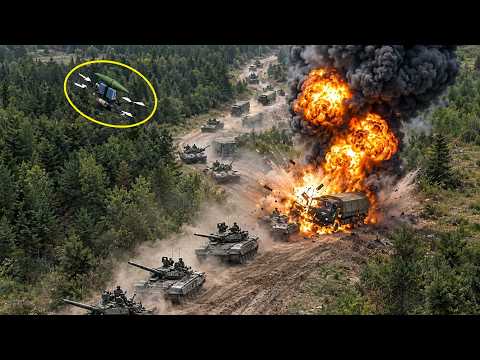
Across the open ground between Ukraine and Russia’s eastern front, a hypothetical FP-2 raid uses low altitude to compress warning time around a rail-fed ammunition depot. The defensive problem is not simply detecting drones, but maintaining overlapping coverage as they cross exposed approaches.
Across a shallow, open borderland in eastern Ukraine and Russia, the hypothetical raid launches from Ukraine and follows a low-level route over agricultural ground towards a Russian ammunition depot feeding the front by rail and road. Low terrain masking and the radar horizon restrict early detection, while open ground around the depot gives short-range air defences, jammers and gun crews clearer fields of fire. The scenario places Tor-M2 and Pantsir-S1 systems along the approach, then shifts the engagement into the depot perimeter, where a disrupted drone drifts beyond the target and surviving aircraft strike the loading area, stored ammunition and halted lorries. The operational effect is a temporary break in the rail-to-road transfer cycle, with the scale of physical damage left unresolved.
🗺 What to watch on the map
• open agricultural ground — low flight reduces radar horizon
• rail-to-road transfer yard — concentrates ammunition and vehicles
• flat depot perimeter — improves gun crews’ line of sight
• single feeder route — disruption delays forward artillery supply
Would you defend the rail-to-road transfer yard or the low-level approach corridor?
Contents
00:00 · Low-Flying Drone Raid Begins
02:24 · Air Defenses Receive Raid Alert
04:41 · Guns Track Leading Drone
07:02 · Interceptors Down Another Drone
09:19 · Jamming Disrupts Satellite Navigation
11:38 · Russia's Final Defensive Layer
13:58 · Drone Drifts Off Target
16:20 · Wreckage Falls Beyond Depot
18:37 · Depot Personnel Seek Shelter
21:00 · Trucks Halt Depot Operations
#FP2Drone #PantsirS1 #UkraineRussiaWar #TacticalHorizon
Subscribe to Tactical Horizon for more operations explained on the map.
◆ Source note: A reconstruction built on publicly reported events and open mapping. Documented: Tor-M2 and Pantsir-S1 systems in Russian air-defence service; Russian electronic-warfare interference with satellite-navigation signals in Ukraine; Ukraine’s development of long-range one-way strike drones; rail-fed ammunition movements towards Russia’s eastern front. Illustrative: the raid’s minute-by-minute timing; the launch point and low-level flight path; individual drone losses and engagement sequence; depot damage, secondary explosions and supply delay.
Educational and analytical content; no political position is taken and no violence is promoted.