10,979 views
81 likes
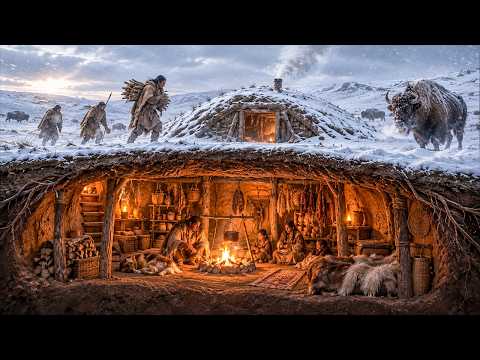
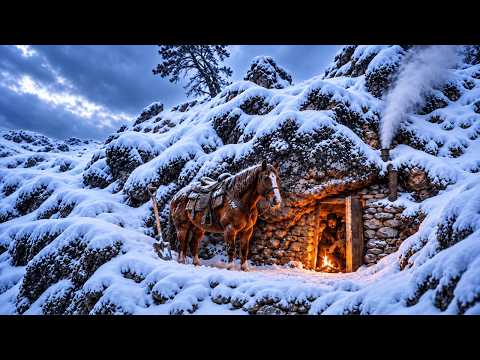
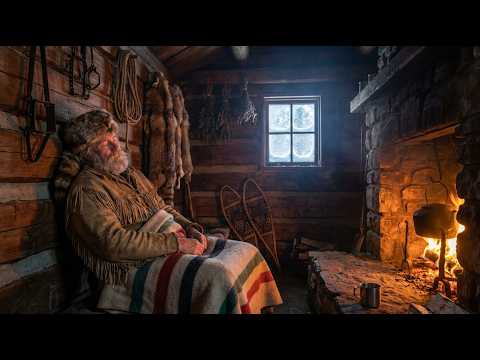
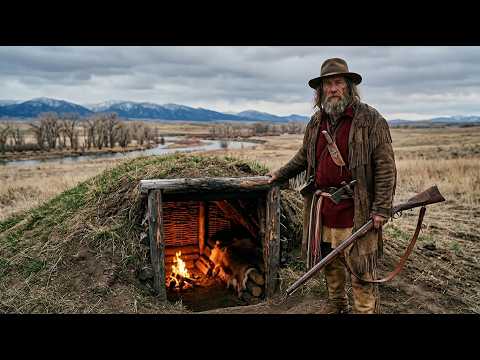
Why did hardened mountain men abandon log cabins for holes in the ground? In this episode from Cabin 8, we trace the brutal winters of the early fur trade and uncover why dugouts and earth-sheltered homes kept trappers alive when cabins failed. From cracked chinking and unstoppable drafts to Native earth lodge design and the hidden power of thermal mass, this is the survival logic of the frontier at its coldest.
You’ll see how mountain men learned from Indigenous building knowledge, why east-facing hillsides mattered, how a dugout was actually built, and what winter life inside one was really like. Cold, dark, smoky, dirty… but warmer than any cabin above ground.
If frontier history, wilderness survival, and the forgotten engineering of early America fascinate you, subscribe to Cabin 8 for more stories every week.
Subscribe for more untold frontier history
Watch more from Cabin 8 and step deeper into the wilderness past
00:00 Intro
02:33 Why Log Cabins Failed In Deep Winter
04:00 Native Earth Lodges Changed Everything
06:51 Why Mountain Men Switched To Dugouts
08:04 How A Dugout Was Built
10:58 Heating And Insulation Inside The Dugout
13:16 Winter Performance And Wood Savings
15:43 The Dark Side Of Dugout Living
18:20 Dugout Upgrades And Frontier Innovations
20:18 How Dugouts Became The Survival Standard
20:43 From Survival Shelter To Frontier Stigma
23:31 Outro